Where Steel Became Legend
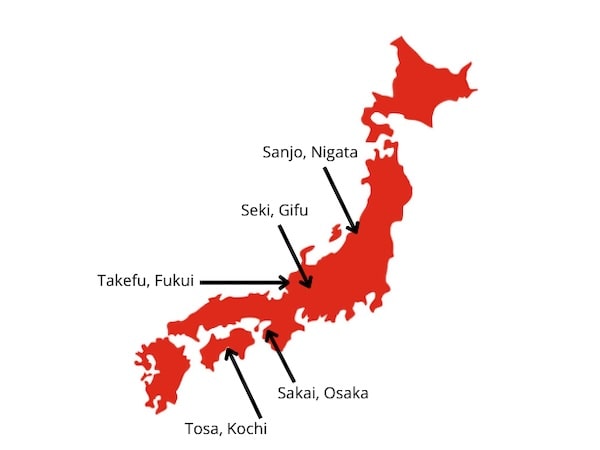
Every blade we make at the MIYABI knives official website carries DNA from the 1300s. That's when Seki, a small city in central Japan, became ground zero for sword-making. Why there? Geography gave them everything - pure river water, dense forests for charcoal, and iron-rich sand from the mountains.
Samurai trusted their lives to Seki blades. The swordsmiths there weren't just craftsmen - they were artists who understood that a proper edge could mean the difference between survival and death. When Japan's feudal era ended, those same bloodlines didn't vanish. They pivoted. Today, descendants of warrior-blade makers pour that same obsessive precision into kitchen knives.
When Two Traditions Collide
Here's where things get interesting. In 2004, ZWILLING J.A. HENCKELS - a German cutlery powerhouse that's been around since 1731 - bought one of Seki's most respected workshops. This wasn't some corporate takeover. It was more like an arranged marriage that actually worked.
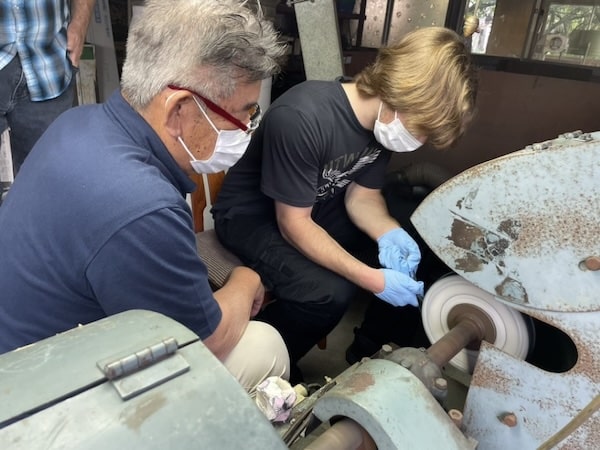
The Japanese brought centuries of blade-forging wisdom. The Germans brought metallurgical science and quality standards that would make an engineer weep with joy. Out of that fusion came MIYABI. Every knife we sell gets shaped by Japanese craftsmen in Seki using time-tested methods, then inspected with German rigor that honestly borders on paranoia. Best of both worlds.
Six Weeks. A Hundred Hands.
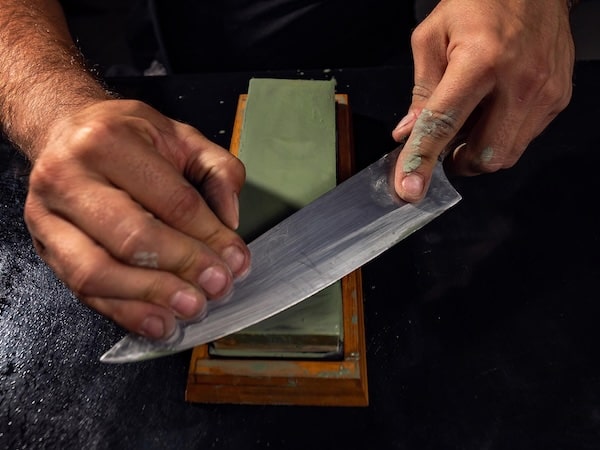
Making a MIYABI knife takes 42 days. Over 100 individual steps. No shortcuts. The centerpiece of this marathon is something called Honbazuke - an old-school sharpening method that most modern factories abandoned decades ago because it's too labor-intensive.
Here's how it works: First, the blade gets ground against a vertical stone wheel. Then it's moved to a finer horizontal stone for honing. Finally, it's stropped on leather until it could split a hair lengthwise. The result? An edge angle between 9.5 and 12 degrees - sharper than a surgeon's scalpel. Sharp enough that you barely need to apply pressure when cutting.